

EYE BOLTS
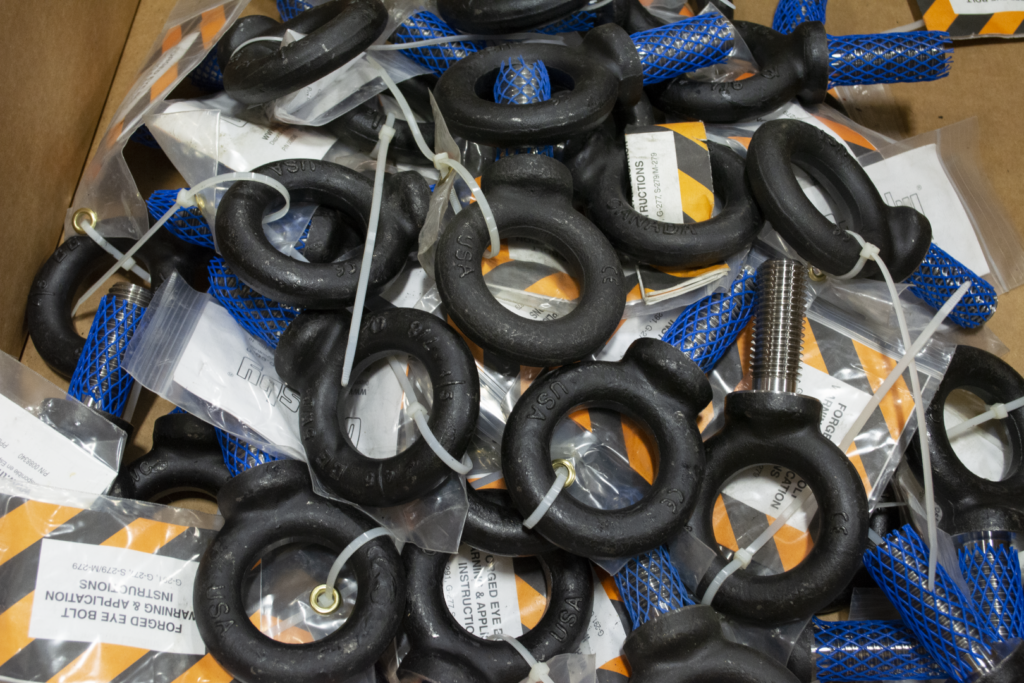
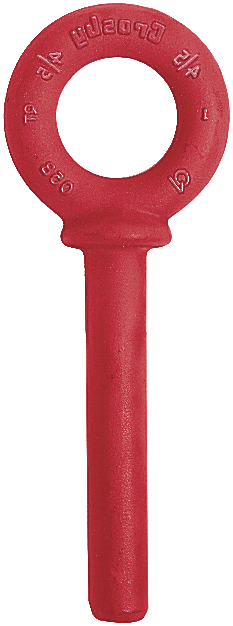
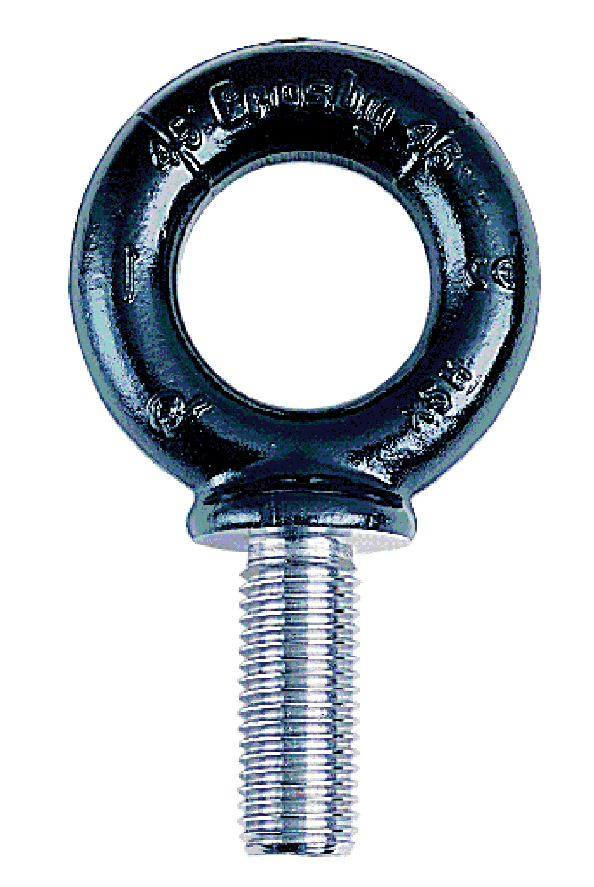
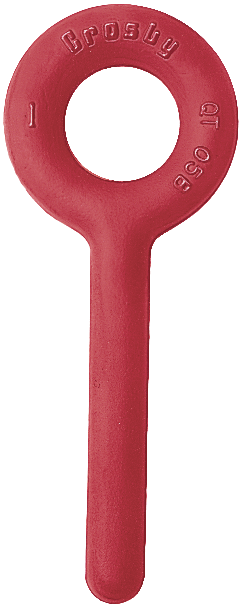
Eye bolts are used to attach to an object to create a rigging point. Depending on your application one of four types of rigging eye bolts can be used.
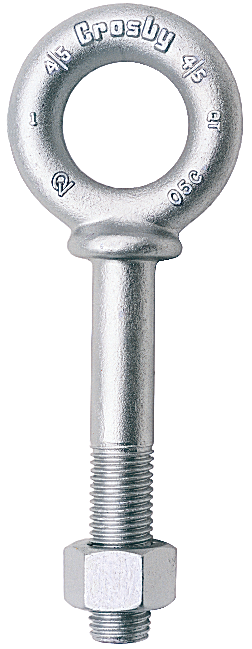
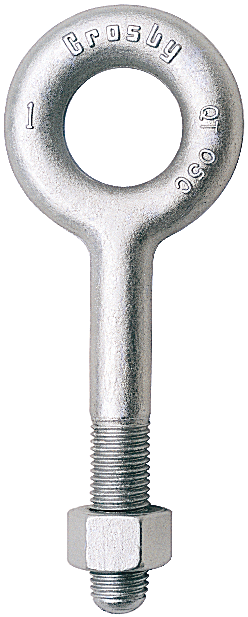
Regular eye bolts are the basic type of eye bolt. They are typically supplied with a nut and can be threaded through the material and secured with the nut. They are only to be used for in line loading (90 degree load angles).
Shoulder eye bolts are the same as regular eye bolts except they have a shoulder and therefore can be used for angular loading.
Machinery eye bolts have a shoulder but are not intended to be threaded through the object.
Screw eye bolts can be screwed into the object such as wood or other soft material.
There are 4 properties of eyebolts to be mindful of
- Diameter
- Thread length and size (UNC or metric)
- Bolt length
- Working Load Limit
Reach out to your Product Advisor to figure out which eyebolt is right for your application.
Check Out Our E-Commerce Store:
Frequently Asked Questions
What are the different types of eye bolts used in lifting applications?
There are four main types of eye bolts used in rigging applications, each designed for specific installation methods and loading conditions.
Regular eye bolts are the most basic style. They are typically supplied with a nut and are installed by passing the threaded shank through the material and securing it with the nut. Regular eye bolts are intended for in-line loading only and must be used at a 90-degree lift angle. They are not designed for angular or side loading. Shoulder eye bolts are similar to regular eye bolts but include an integral shoulder beneath the eye. This shoulder allows the eye bolt to be used for angular loading when it is fully seated against the mounting surface. Load capacities must be reduced according to the manufacturer’s angle ratings. Machinery eye bolts have a shoulder but are designed to be threaded directly into a tapped hole rather than passed through the material with a nut. Proper thread engagement and full seating of the shoulder are critical for safe use. Screw eye bolts are intended to be screwed directly into wood or other soft materials. They are typically used for light-duty applications and are not generally suitable for critical overhead lifting unless specifically rated by the manufacturer.
When should you use a shouldered eye bolt vs. a plain eye bolt?
A shouldered eye bolt should be used when the lift involves any angular or non-vertical loading. The shoulder provides support against bending forces and allows the eye bolt to safely handle limited side loading when it is fully seated against the mounting surface and used within the manufacturer’s rated angle capacities.A plain, or non-shouldered, eye bolt should only be used for in-line loading where the load is applied straight up and down at a 90-degree angle to the mounting surface. Plain eye bolts are not designed to resist angular forces, and using them at an angle can significantly reduce their capacity and create a serious risk of failure.
How do you select the right eye bolt for your load, material and environment?
Selecting the right eye bolt begins with determining the total load weight and ensuring the eye bolt’s working load limit meets or exceeds the required capacity for the lift. The load direction must be considered first, as plain eye bolts are only suitable for straight vertical loading, while shouldered eye bolts are required for any angular loading. The rated capacity must always be based on the manufacturer’s load chart for the intended lift angle. The material and installation method are also critical. The eye bolt must match the base material, whether it is steel, concrete, or wood, and the thread type and size must be compatible with the mounting hole. Proper thread engagement and full seating of the shoulder are necessary to achieve the rated capacity. The bolt length must be sufficient to allow full contact without bottoming out. Environmental conditions should also be evaluated. Exposure to heat, corrosion, chemicals, or outdoor conditions may require specific materials or coatings. Galvanized or stainless steel eye bolts may be appropriate in corrosive environments, while standard carbon steel may be suitable for controlled indoor conditions. Always follow manufacturer specifications and applicable ASME standards when selecting eye bolts for overhead lifting.
What are the installation and inspection requirements for eye bolts?
Eye bolts must be installed correctly to achieve their rated working load limit. The threads must fully engage the mounting material, and the eye bolt must be seated flush against the surface. For shouldered eye bolts, the shoulder must be in firm contact with the mounting surface; washers should not be used under the shoulder unless approved by the manufacturer. Plain eye bolts must be installed so the load is applied straight in line with the shank and never at an angle. Before use, eye bolts must be inspected to ensure they are free of cracks, deformation, corrosion, damaged threads, or excessive wear. The eye must not be bent or elongated, and the threads must be clean and undamaged to allow proper engagement. Any eye bolt showing signs of bending, distortion, stripped threads, or illegible identification must be removed from service. Periodic inspections by a qualified person should also be performed in accordance with ASME B30.26 and manufacturer guidelines.