

SINGLE PATH ROUNDSLINGS
FEATURES

Flexible

Low Cost

UV Resistance

Assembled in USA
Polyester Roundslings
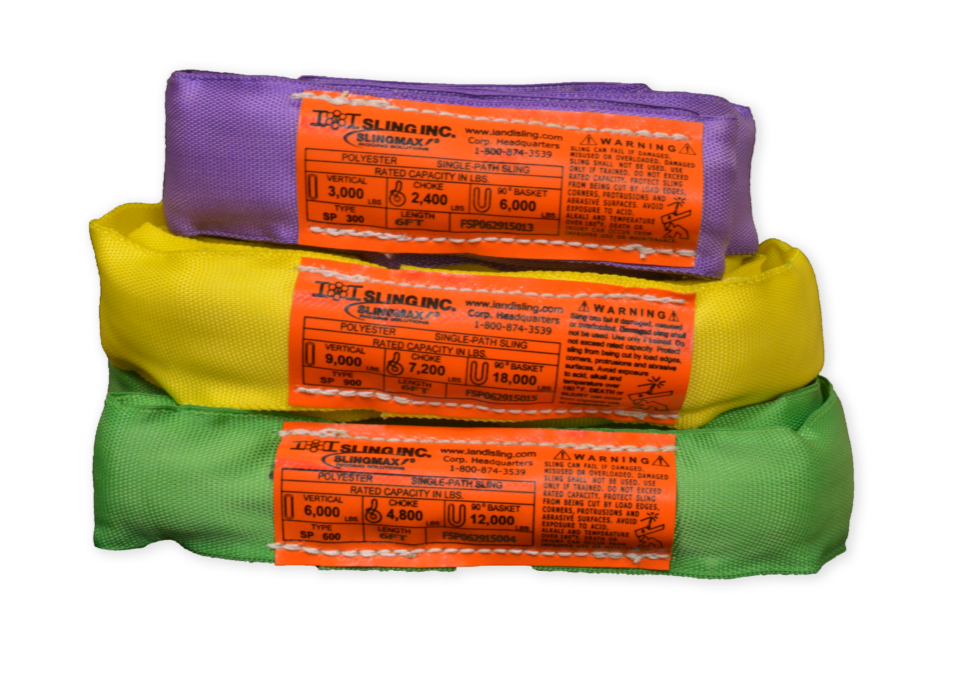
Single Path Polyester roundslings are a low cost, flexible lifting sling fabricated at your local I&I Sling branch location. Manufactured up to 150 feet with capacities ranging from 3,000 lbs. to 60,000 lbs., these polyester roundslings are available in a variety of colors.
Polyester roundslings can be enhanced with the Covermax Cover and the Check-Fast inspection system to increase longevity and safety.
If repairability and longevity are important, check out the Slingmax Twin-Path high performance sling.
USE AND CARE
TWIN-PATH SLINGS
CUT PROTECTION
Is a Polyester Roundsling Right for Your Application?
Polyester roundslings are a great choice when low cost and flexibility are important factors in your job. Their flexibility makes them a good choice for choke and wrapped basket applications. For additional peace of mind, our synthetic roundslings can be proof loaded to twice the rated capacity.
Exclusive Safety Features for Polyester Roundslings
I&I Sling has the capability to add the Slingmax Check-Fast inspection system to any polyester roundsling. This system is designed to react when the sling experiences a severe overload. This feature provides a unique glimpse into the internal workings of your roundsling under load and helps you avoid accidents.
Our polyester roundslings are fabricated with double wall polyester tubing in various colors. Standard colors are outlined in the chart below, however any color can be chosen. For additional abrasion resistance and durability, the Slingmax Covermax cover can be substituted as an upgrade in place of the standard-supplied polyester cover.
Our synthetic slings are all custom tagged and rated with common hitch configurations, length and material information. They are constructed at a 5:1 Design factor and have a 1:1 D/d ratio. These features ensure they are fully compliant with ASME B30.9 requirements.
Synthetic Roundslings Made to Your Specifications
All polyester roundslings sold by I&I Sling are manufactured in house at one of our six full-service branch locations right here in the USA. With centuries of combined sling manufacturing experience, our fabricators take great care to ensure every American-made polyester roundsling that leaves our facility will meet your job requirements.
We fully stock our warehouses with a large range of sizes and length polyester roundslings so you can get started at your job as quick as possible. If we don’t have what you need, we have the manufacturing capability to provide our customers with custom or uncommon size slings on short lead times. Whether you are a new customer, or an existing customer we can provide your synthetic roundsling needs quickly with a high quality product.
| Single-Path Polyester Roundsling Stock No. |
Color | Vertical | Choker | Vertical Basket |
Basket Hitches | Approximate Weight (Lbs. per Ft.) (Bearing-Bearing) |
Nominal Body Width (inches)* |
|

|

|

|

|

|
||||
| SP300 | Purple | 3,000 | 2,400 | 6,000 | 5,196 | 4,242 | 0.3 | 2.5" |
| SP450 | Black | 4,500 | 3,600 | 9,000 | 7,794 | 6,363 | 0.45 | 2.5" |
| SP600 | Green | 6,000 | 4,800 | 12,000 | 10,392 | 8,484 | 0.48 | 2.5" |
| SP900 | Yellow | 9,000 | 7,200 | 18,000 | 15,588 | 12,726 | 0.7 | 2.5" |
| SP1200 | Gray | 12,000 | 9,600 | 24,000 | 20,784 | 16,968 | 0.9 | 3" |
| SP1400 | Red | 14,000 | 11,200 | 28,000 | 24,248 | 19,796 | 0.95 | 3" |
| SP1700 | Brown | 17,000 | 13,600 | 34,000 | 29,444 | 24,038 | 1.2 | 3" |
| SP2200 | Blue | 22,000 | 17,600 | 44,000 | 38,104 | 31,108 | 1.4 | 3" |
| SP2600 | Orange | 26,000 | 20,800 | 52,000 | 45,032 | 36,764 | 1.7 | 4" |
| SP3200 | Orange | 32,000 | 25,600 | 64,000 | 55,424 | 45,248 | 1.9 | 4" |
| SP5000 | Orange | 50,000 | 40,000 | 100,000 | 86,600 | 70,700 | 2.7 | 5" |
| SP6000 | Orange | 60,000 | 48,000 | 120,000 | 103,920 | 84,840 | 3 | 5" |
| Single-Path Polyester with Check-Fast Stock No. |
Vertical | Choker | Vertical Basket |
Basket Hitches | Approximate Weight (Lbs. per Ft.) (Bearing-Bearing) |
Nominal Body Width (inches)* |
|
|
|
|
|
|
|
|||
| SPCF/SPF 300 | 3,000 | 2,400 | 6,000 | 5,196 | 4,242 | 0.3 | 2.5" |
| SPCF/SPF 450 | 4,500 | 3,600 | 9,000 | 7,794 | 6,363 | 0.45 | 2.5" |
| SPCF/SPF 600 | 6,000 | 4,800 | 12,000 | 10,392 | 8,484 | 0.48 | 2.5" |
| SPCF/SPF 900 | 9,000 | 7,200 | 18,000 | 15,588 | 12,726 | 0.7 | 2.5" |
| SPCF/SPF 1200 | 12,000 | 9,600 | 24,000 | 20,784 | 16,968 | 0.9 | 3" |
| SPCF/SPF 1400 | 14,000 | 11,200 | 28,000 | 24,248 | 19,796 | 0.95 | 3" |
| SPCF/SPF 1700 | 17,000 | 13,600 | 34,000 | 29,444 | 24,038 | 1.2 | 3" |
| SPCF/SPF 2200 | 22,000 | 17,600 | 44,000 | 38,104 | 31,108 | 1.4 | 3" |
| SPCF/SPF 2600 | 26,000 | 20,800 | 52,000 | 45,032 | 36,764 | 1.7 | 4" |
| SPCF/SPF 3200 | 32,000 | 25,600 | 64,000 | 55,424 | 45,248 | 1.9 | 4" |
| SPCF/SPF 5000 | 50,000 | 40,000 | 100,000 | 86,600 | 70,700 | 2.7 | 5" |
| SPCF/SPF 6000 | 60,000 | 48,000 | 120,000 | 103,920 | 84,840 | 3 | 5" |
Frequently Asked Questions
What is a polyester roundsling and when should it be used?
A polyester roundsling is a flexible synthetic lifting sling made from continuous polyester fibers loops enclosed by a tubular jacket. Polyester slings are not affected by moisture, and many chemicals, making them suitable for indoor and outdoor lifting applications and are used in most marine environments. Polyester slings are commonly used in construction, manufacturing, steel handling, and equipment lifting where metal slings may cause abrasion or load damage. These slings provide a low-cost, lightweight lifting solution with capacities from a few thousand pounds up to tens of thousands, and its flexibility makes it well suited for vertical (straight-line), choke, and basket hitch applications where surface protection and easy lightweight rigging are priorities for lower capacity lifts.
How do you choose the right polyester roundsling for lifting a load?
To choose the right polyester sling, start by determining the weight of the load and the required sling hitch configuration, such as straight-line, choker, or basket hitches. Select a sling with a rated working load limit that meets or exceeds the load when adjusted for the hitch angle. Consider the size, shape, and surface condition of the load as well as the lifting / connection points to ensure proper fit and load control. Always verify sling tags, follow ASME and OSHA guidelines, and inspect the sling before use to ensure safe lifting operations.
What are the advantages and limitations of polyester slings compared to other materials?
Polyester slings offer several advantages, including flexibility, lightweight handling, and the ability to conform to loads reducing the risks of damaging surfaces. They provide resistance to UV exposure, moisture, and many common chemicals, making them suitable for a wide range of environments. However, polyester slings have limitations compared to materials like wire rope, chain, and high performance synthetic slings. They are more susceptible to damage from sharp edges, abrasion, and high temperatures, and they typically have lower working load limits for the same size. Proper edge protection and inspection are critical to ensure safe use.
How should polyester slings be inspected, maintained and retired from service?
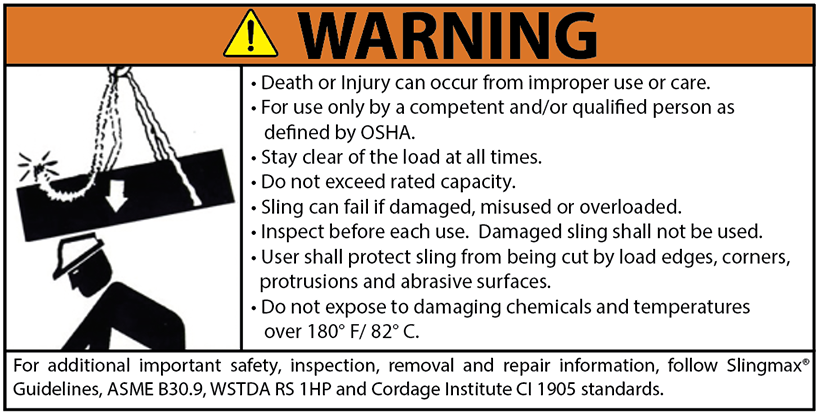
Polyester roundslings should be inspected before each use and as part of a documented periodic inspection program in accordance with ASME B30.9 and manufacturer guidelines. The inspection should focus on the sling cover and overall condition, checking for cuts, tears, abrasion, punctures, melted or hardened fibers, chemical damage, discoloration, broken stitching, or distorted shape. If the load-bearing core is visible at any point, the sling must be removed from service immediately.
Proper maintenance includes keeping slings clean and dry, storing them away from direct sunlight, heat sources, chemicals, and sharp edges when not in use. Slings should never be dragged, knotted, twisted, or pulled from beneath a load. Only approved edge protection should be used when lifting over corners or abrasive surfaces, and roundslings should never be repaired by tying knots or stitching damaged areas.A polyester roundsling must be retired from service if there is exposed core yarn, severe abrasion, cuts, burns, melted fibers, chemical attack, damaged or illegible identification tags, or evidence of overload such as excessive elongation or stiffness. Any sling involved in a shock load or suspected overload should also be removed from service until evaluated by a qualified person.